











The Frisians are known for their special relationship with tea, which has deep roots in this region. The Frisians’ tea traditions are unique and differ from 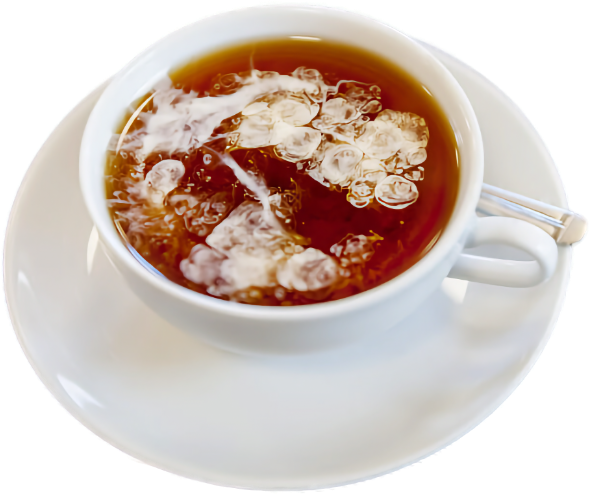 customs in other parts of Germany. The Frisians prefer specific types of tea—often dark and strongly aromatic—which they enjoy during rituals known in Frisian as “Teestube” or “Friesenteestube.” These tea gatherings are not just about drinking tea; they are social events where family and friends come together to share stories, sing songs, and strengthen community bonds. The tea tradition is so deeply rooted that people often speak of “Frisian tea culture,” which symbolizes the cultural identity and resilience of the Frisians in the face of modernization and globalization.
Today, they are among the largest consumers of tea in Europe and perhaps even the world. While the British, who are proud of their tea tradition, drink an average of 170 liters of tea per year, a Frisian indulges in an incredible 300 liters annually!
Our store offers authentic Frisian tea, which is perfect for performing the Frisian tea ceremony right in your own home. Two other items are part of the Frisian tea ceremony:
 Kluntjes (candied sugar): Candied sugar, white or brown (caramelized), with large crystals that dissolve slowly and give the tea an intense sweetness.
Cream: Frisian cream is an important part of the ceremony. The hostess pours it into the cups in a circular, counterclockwise motion, symbolizing the stopping of time and tranquility.
The cream disappears into the dark tea, only to reappear as beautiful white clouds. The most beautiful clouds are created by sweet cream with a high fat content (40%).
In the Frisian tea ceremony, the tea is not stirred. This allows you to enjoy three unique taste experiences:
The creamy taste of the cream: Most noticeable on the first sip.
The bitter taste of tea: It dominates the rest of the cup until you reach the bottom, where the candied sugar lies.
The sweetness of the candied sugar: It is most intense at the end, when only a small amount of tea remains in the cup.
In 2016, the East Frisian Tea Ceremony was inscribed on UNESCO’s List of Intangible Cultural Heritage, thereby recognizing its uniqueness and value on an international level.