The International Universal Recycling Code consists of a triangle formed by three arrows. This triangle is then supplemented with a numerical or textual designation of the material, or both at the same time. For packages composed of several materials, the text contains the letter C, which symbolizes the word composite, and the text of the predominant material according to its weight follows the slash.
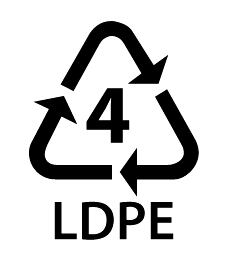 LDPE is an abbreviation for low-density polyethylene, which you can find here under the abbreviation PE. Packaging with this label is made of PE monofilm according to DIN EN 13430. With us, under this label, you can find bags made of PE/PE/EVOH film. Bags marked 4 are 100% recyclable and after use throw them in the yellow bin. ATTENTION: If you stick a paper sticker on the bag, the package will still bear the label 4. The paper label will be detached during subsequent processing.
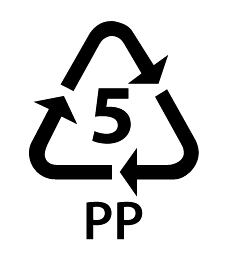 PP is short for polypropylene, which is widely used to make food packaging. Packaging with this label is made of PP film according to DIN EN 13430. With us, under this label, you can find bags made of OPP/ CPP and OPP film. Bags marked 5 are 100% recyclable and after use throw them in the yellow bin. ATTENTION: If you stick a paper sticker on the bag, the packaging will still bear the label 5. The paper label will be detached during subsequent processing.
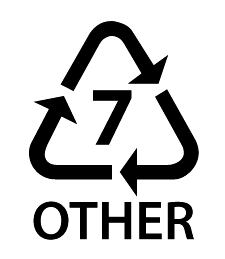 All other plastics or their combinations that do not belong to the above groups fall under this label. Here, bags that are made of several types of plastic films (so-called composites) carry this label and these are OPP/PETmet/PE and PET/PE materials. Bags with this marking can be thrown into the yellow bin for recycling after use. ATTENTION: If you stick a paper sticker on the bag, the packaging will still bear the label 7. The paper label will be detached during subsequent processing.
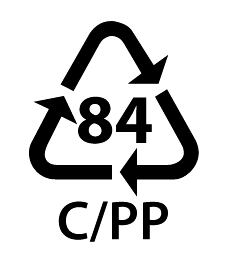 C/ PP 84 is a designation for packaging made of a mixture of paper, plastic and aluminum. Packaging marked in this way is not recycled and is thrown into mixed waste. In our case, the KRAFT/AL/CPP material carries this label.
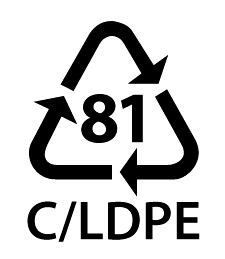 C/LDPE 90 is a designation for materials made of a mixture of aluminum and plastic. Packaging marked in this way is not recycled and is thrown into mixed waste. In our country, PET/AL/PE and OPP/AL/PE materials carry this label.








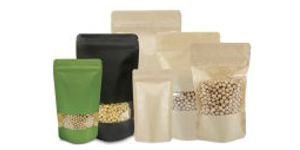








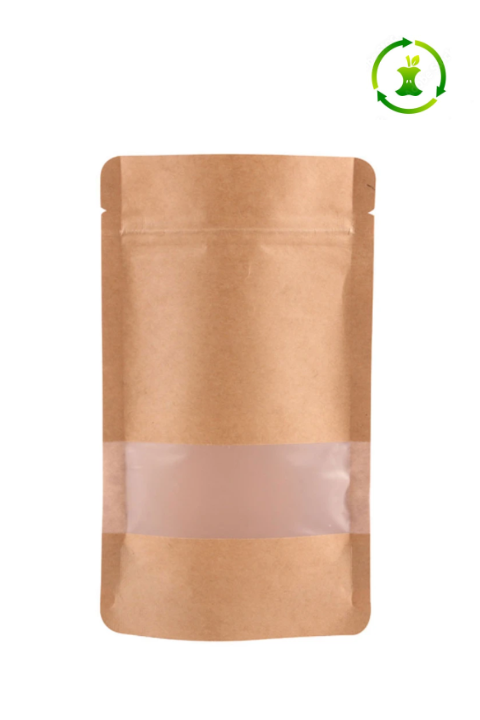 A doypack (also known as a stand-up pouch) is a flexible packaging bag with a rounded bottom gusset that allows it to stand upright on shelves.
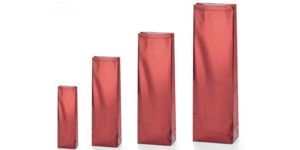
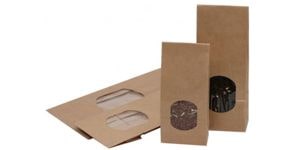
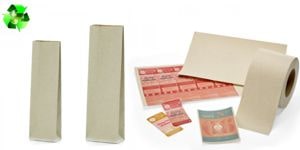
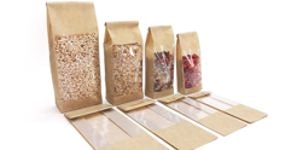
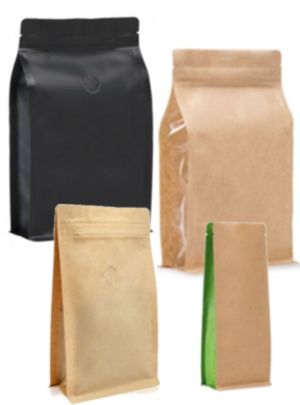 Flat-bottomed bags (with a block bottom) combine the best of both worlds: the stability of a box and the flexibility of a bag. Thanks to their flat bottom and vertical design, these bags offer excellent shelf presentation and efficient use of space, making them the preferred choice for premium packaging across various sectors.